



PLF Reviews is an independent guide to Jeff Walker's Product Launch Formula — the launch training first released in 2005, backed by the #1 New York Times bestseller Launch and, according to Jeff Walker, used by more than 10,000 students in hundreds of niches. This page is the complete review: how the launch formula works, what it costs, who it fits and the free way to try it first.
Product Launch Formula is still the most proven launch system for selling courses, coaching, memberships and digital products online.
Jeff Walker’s Product Launch Formula (PLF) has been taught since 2005, is behind the #1 New York Times bestseller Launch, and — according to Jeff Walker — has been used by students to generate more than $1 billion in launch sales. It is not a “get rich quick” system: it is a strategy you have to implement. If you are an expert, coach, creator or small business owner who wants a repeatable way to sell, Product Launch Formula is the reference point every other launch course is measured against.
Our recommendation: don’t buy anything first. Start with Jeff Walker’s free Launch Masterclass, which runs every week, watch all three videos, and decide afterwards.
Join the free Launch Masterclass
What Is Product Launch Formula?
Product Launch Formula (often shortened to Product Launch Formula) is a step-by-step training program created by Jeff Walker that teaches you how to launch a product, service, course, membership or business online so that people are excited to buy on the day it becomes available. In Jeff Walker’s own description, it is a proven process that shows you what to do at every step of a launch and what to say in every email.
The central idea of the launch formula is simple, and once you see it you start noticing it everywhere:
Instead of simply releasing a product and hoping people buy it, you launch it — you build anticipation over days or weeks with genuinely useful free content, so that by the time the cart opens, your audience already trusts you, understands the value, and wants in.
Hollywood does this with movie trailers. Apple does it with keynotes. Game studios do it with countdowns and previews. Jeff Walker’s contribution was turning that big-company playbook into a repeatable, small-business-friendly sequence that a single person with an email list — even a tiny one — can run from a laptop.
The problem PLF solves
Most people who create a course, a coaching program or an online product make the same mistake: they spend months building it, put up a sales page, send one email (“It’s live! Buy now!”) and then hear crickets. The product might be excellent. The problem is the go-to-market.
Product Launch Formula attacks that problem in three ways:
- It sequences your marketing. You don’t just “post content.” You release specific pieces of content in a specific order, each designed to move a prospect closer to a buying decision.
- It turns marketing into an event. A launch has a beginning, a middle and an end. Events get attention; ordinary announcements get ignored.
- It lets you test before you build. With the Seed Launch, you can sell a product before you create it, which dramatically reduces the risk of building something nobody wants.
What PLF is not
It’s worth being clear about what Jeff Walker’s Product Launch Formula is not, because a lot of confusion online comes from this:
- It’s not a software tool or a funnel builder. Product Launch Formula is strategy and training. You can implement it with whatever email platform, video host and checkout you already use. (Jeff’s team does now offer an AI assistant called Launchy — more on that later.)
- It’s not “just for big launches.” The most popular entry point is the tiny Seed Launch, designed for people with very small lists.
- It’s not only for internet marketers. Students have used Product Launch Formula in hundreds of niches: parenting, yoga, guitar, dog training, painting, finance, health, languages, B2B consulting, local services and more.
- It’s not a shortcut around having something valuable to sell. A launch amplifies an offer. If the offer is weak, a great launch will expose that faster.
Who Is Jeff Walker?
Jeff Walker is the creator of Product Launch Formula, the author of the #1 New York Times bestseller Launch, and one of the longest-running trainers in online marketing. He started his first online business in 1996 as a stay-at-home dad trying to help support his family, began teaching online marketing in 2003, and released the first version of Product Launch Formula in 2005.
Some quick facts that matter when you’re evaluating his training:
- Track record: according to his official pages, more than 10,000 people have gone through the Product Launch Formula coaching program, and his students have done over $1 billion in launches.
- Book: Launch hit #1 on the New York Times list in its second week of publication; an updated and expanded edition with over 100 pages of new material was released in 2021.
- Live events: his PLF Live® workshop debuted in 2010 and is now delivered as a three-day virtual workshop.
- Trademarks: “Product Launch Formula®” has been a registered U.S. trademark since 2009, and “Jeff Walker®” is registered for business and marketing advice.
- Students and clients: names associated with his teaching over the years include Brendon Burchard, Marie Forleo, Stu McLaren, Michael Hyatt, Ryan Levesque, Jenna Kutcher, James Wedmore and many more.
Jeff lives in Durango, Colorado, and is known for a laid-back, outdoorsy teaching style — skiing, mountain biking and a lot of stories about learning things the hard way. If you want the full biography, his podcast, his blog and his official social accounts, see our dedicated guide: Who Is Jeff Walker?
Which “Jeff Walker” is this site about?
Because it’s a common name, people searching for Jeff Walker often find several different people. This site is exclusively about Jeff Walker, the creator of Product Launch Formula and the author of Launch. Searches such as “Jeff Walker racing,” “Jeff Walker Sony Music,” “Jeff Walker Deloitte,” “Jeff Walker Alliance Entertainment,” “Jeff Walker Seattle,” “Jeff Walker 106.7” or “Jeff Walker und die Fluffers” refer to other people who simply share the name. They are not connected to Product Launch Formula.
The Story Behind the Launch Formula
The origin story matters, because it explains why Product Launch Formula works for small businesses and not just for big brands.
In 1996, Jeff Walker was at home with young children while his wife worked. He started an email newsletter about the stock market — a free one — sent to a few dozen people. Over time the list grew, and he decided to offer a paid subscription. Rather than just announcing it, he did something that, at the time, was unusual: he told his subscribers it was coming, explained why he was creating it, shared some of the best content he had, answered their questions and then opened the doors on a specific day.
That first “launch” produced sales that changed his family’s situation. More importantly, he noticed a pattern: the way he released something mattered as much as what he was releasing. He refined the sequence over the next several years, tested it again and again, and by the early 2000s other entrepreneurs were asking him how he did it.
In 2005 he packaged the process as Product Launch Formula. The first public launch of Product Launch Formula itself used the formula — and became one of the most talked-about launches in the online business world. From there:
- 2005: Product Launch Formula is released.
- 2009: “Product Launch Formula” becomes a registered trademark.
- 2010: The first PLF Live event takes place.
- 2014: Launch is published and quickly reaches #1 on the New York Times bestseller list.
- 2021: The updated and expanded edition of Launch is released.
- 2020s: The training adds live coaching, an evergreen weekly Launch Masterclass and an AI assistant (Launchy) trained on the Product Launch Formula process.
The fact that the program has been continually updated for roughly two decades is one of its biggest selling points. Tactics change — the platforms in 2005 were nothing like YouTube, Instagram, TikTok, podcasts or AI — but the underlying psychology of a launch hasn’t.
True stories of people who refused to quit — and what they teach about Product Launch Formula
Jeff Walker’s own story — 19 subscribers, a stay-at-home dad, no capital — is one example of a pattern we see again and again in people who build something lasting. They start small, they fail in public, they hear “no” more times than seems survivable, and they keep going. Below are eight true stories from around the world, each told in full (with sources) on its own page in our success stories collection. None of these people used Product Launch Formula, and we never claim they did. They are here for one reason: the lesson each one carries into a launch.
Colonel Sanders: starting over at 65 with a $105 check
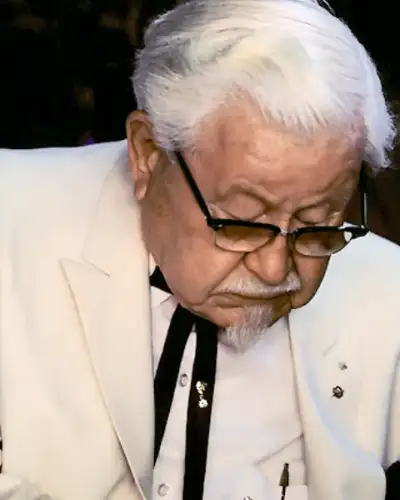
Harland Sanders left school at 12 and held more than a dozen jobs — firings, a failed lamp business, a service station closed by the Depression. His Kentucky café survived a fire, then was drained of customers when Interstate 75 bypassed it. At 65 he sold it and, living on a $105 monthly Social Security check, went all-in on franchising his chicken recipe. By 1964 there were more than 600 locations. The launch lesson: your recipe is not your business — the system that carries it to people is. That’s what a launch is. Read Colonel Sanders’ story.
Walt Disney: bankrupt at 21, robbed of his first star
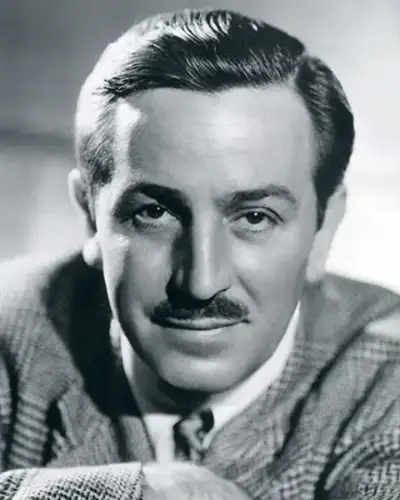
Disney’s first studio, Laugh-O-gram, went bankrupt in 1923; he sold his camera to buy a train ticket west. In 1928 he discovered that Universal owned his hit character, Oswald the Lucky Rabbit, and that most of his animators had been hired away. That same year he created Mickey Mouse — and kept the rights. The launch lesson: build the asset that stays yours. In PLF, that’s your email list. Read Walt Disney’s story.
Sara Blakely: years of “no” and $5,000 in savings

After a poor LSAT score, Blakely sold fax machines door to door. She developed Spanx with $5,000 of savings and was turned away by every hosiery mill she visited — until one operator called back two weeks later. Spanx made $4 million in its first year. The launch lesson: you don’t need everyone to say yes; you need enough. Read Sara Blakely’s story.
Howard Schultz: 242 pitches, 217 rejections
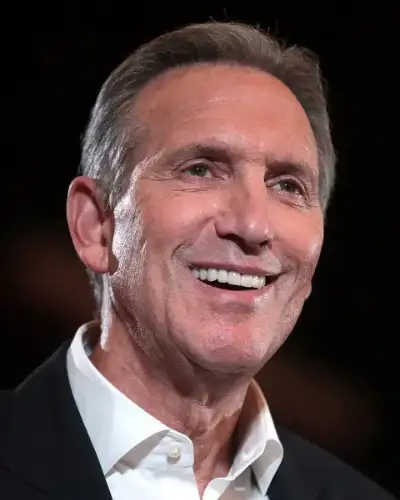
Schultz grew up in Brooklyn public housing. His employers at Starbucks didn’t want his espresso-bar idea, so he left to build it — and 217 of the 242 investors he approached said no. The 25 who said yes funded Il Giornale, which later bought Starbucks. The launch lesson: in a launch, most people won’t buy. That’s normal, and it’s enough. Read Howard Schultz’s story.
Jan Koum: “give it a few more months”
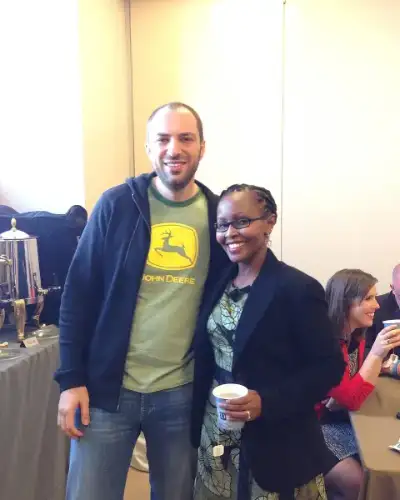
Koum arrived in California from Ukraine at 16 and swept a grocery store floor while his mother babysat. Early on, WhatsApp barely worked and he told his co-founder he should quit and get a job. “Give it a few more months,” Brian Acton told him. In 2014 Facebook bought WhatsApp for $19 billion. The launch lesson: the first launch is not the final verdict. Read Jan Koum’s story.
Bethany Hamilton: back in the water 26 days later

At 13, a tiger shark took Hamilton’s left arm and more than 60% of her blood. Twenty-six days later she paddled back out, relearning how to surf with one arm, and went on to compete professionally. The launch lesson: keep the goal, adapt the technique — the reason PLF teaches several launch types. Read Bethany Hamilton’s story.
Chris Gardner: homeless with his son, then a firm of his own
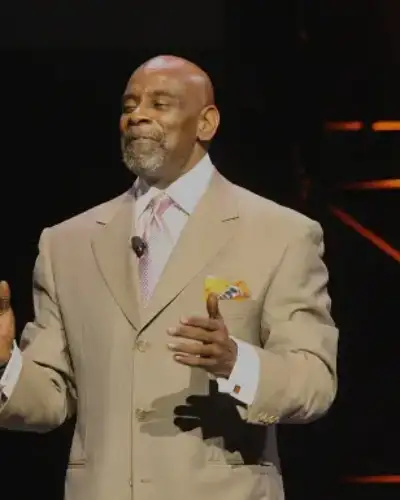
While training without pay at Dean Witter, Gardner and his toddler were homeless in San Francisco for nearly a year, sometimes sleeping in a locked BART station bathroom. In 1987 he founded Gardner Rich & Co with $10,000. The launch lesson: do the unseen work — the list building, the surveys, the rewriting — that nobody applauds. Read Chris Gardner’s story.
Silvio Santos: from street vendor to TV network owner
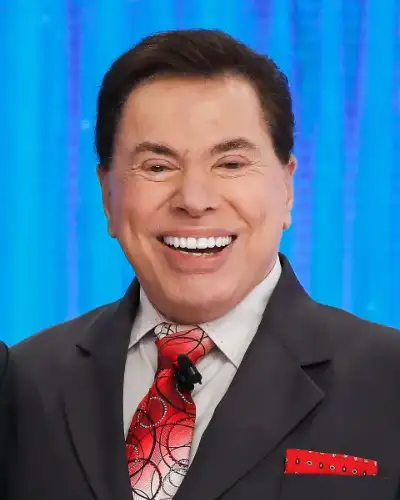
In Rio de Janeiro, at 14, Senor Abravanel sold plastic cases for voter cards on the street. He became a radio announcer, rescued a failing business, launched his own TV show in 1963 and built the SBT network in 1981 — known to all of Brazil as Silvio Santos. The launch lesson: entertaining and selling are the same skill. That’s what great prelaunch content does. Read Silvio Santos’ story.
There are more — Oprah Winfrey’s demotion, James Dyson’s 5,127 prototypes, Wilma Rudolph’s leg brace, Stephen King’s novel in the trash, Helen Keller’s word “water,” Nick Vujicic’s first small talks, and the courage of Malala Yousafzai, Nelson Mandela and Viktor Frankl. Read them all in our true success stories.
How Product Launch Formula Works
At its core, Jeff Walker’s product launch formula is a sequence. Below is the classic structure as Jeff teaches it in Launch and in his public training. The full program goes much deeper, but this is the backbone.
Phase 1: The Pre-Prelaunch
The pre-prelaunch is the quiet warm-up before the warm-up. Its job is to:
- Gauge interest — find out whether your audience actually wants the thing you’re thinking of making.
- Prime the market — let people know something is coming without revealing all the details.
- Gather objections early — ask questions so you discover what people are afraid of, confused about or skeptical of.
A typical pre-prelaunch message might be a short email or social post: “I’m thinking about creating a training on X. Before I do, what’s the single biggest question you have about X?” That one message gives you research, engagement and anticipation at the same time.
Phase 2: The Prelaunch (the Prelaunch Content, or “PLC”)
This is the heart of Product Launch Formula. Over several days — traditionally about a week to ten days — you release three pieces of high-value prelaunch content, usually videos, often called PLC1, PLC2 and PLC3. Each one has a job:
- PLC1 — The Opportunity. Show people what’s possible. Paint the picture of the transformation, explain why it matters, and show that change is possible for them. This is where you answer “why should I care?”
- PLC2 — The Transformation (the “how”). Teach something real. Give a genuine piece of the method so people experience a quick win. This builds trust and shows that you know what you’re talking about.
- PLC3 — The Ownership Experience. Help people imagine what it would be like to have the result — and start to introduce the idea that there’s a way to go further with you. Many launches handle common objections here and preview the offer.
Each piece of content is free, genuinely valuable and designed to stand on its own. That’s what makes Product Launch Formula different from pure hype: you earn the right to make an offer by giving value first.
Phase 3: The Launch (Open Cart)
Only after the prelaunch content do you open the cart. The open cart period is short — commonly four to seven days — and the deadline is real. During open cart you send the sales video or sales page, a series of emails answering questions and objections, social proof, and finally clear reminders as the cart closes.
The close is often where a large share of sales happen. People procrastinate; a genuine deadline gives them a reason to decide.
Phase 4: The Post-Launch
After the cart closes, you deliver an outstanding experience to buyers, and you continue to give value to the people who didn’t buy. In Product Launch Formula, non-buyers are not failures — they’re future customers who weren’t ready this time. Jeff emphasizes that a well-run launch should leave even the non-buyers happy they were part of it.
The mental triggers behind PLF
Underneath the sequence are psychological principles Jeff calls mental triggers. They’re not tricks — they’re the natural reasons people make decisions. The ones he talks about most include:
- Authority — people listen to those who demonstrate expertise.
- Reciprocity — when you give real value first, people want to give back.
- Trust — built through consistent, honest, useful communication.
- Anticipation — the feeling of looking forward to something; launches create it deliberately.
- Likability — people buy from people they like and relate to.
- Events and rituals — a launch is an event, and events draw attention in a way a static page never will.
- Community — when prospects comment, discuss and interact, they start to feel part of something.
- Social proof — seeing others take part (and benefit) reduces risk for everyone else.
- Scarcity — a real limit (time or quantity) helps people stop postponing a decision.
Product Launch Formula’s genius isn’t any single trigger — it’s that the sequence naturally stacks them. Each prelaunch video builds authority and reciprocity; comments build community and social proof; the release schedule builds anticipation; the open-cart deadline adds scarcity.
The Sideways Sales Letter Explained
One of the most famous ideas in Jeff Walker’s Product Launch Formula is the Sideways Sales Letter™.
A traditional sales letter is “vertical”: one long page that you read top to bottom — headline, story, benefits, testimonials, offer, guarantee, call to action. The problem is that very few people read the whole thing, and it asks them to make a buying decision immediately, often from a cold start.
Jeff’s insight was to take that same persuasive structure and turn it on its side — spreading it out over time across several pieces of content. Instead of one long page, the sales message is delivered in chapters:
| Traditional sales letter | Sideways Sales Letter (PLF) |
|---|---|
| One long page, read in minutes | A sequence of content released over days |
| Asks for the sale immediately | Gives value first, asks for the sale at the end |
| Mostly one-way communication | Two-way: comments, questions, replies |
| Easy to ignore | Becomes an event people anticipate |
| Persuasion through copy | Persuasion through experience and results |
Each prelaunch piece delivers a part of the story — the opportunity, the method, the proof, the vision — and each one ends with a little “hook” to the next. By the time your prospect sees the actual offer, they’ve already consumed most of the persuasive argument, and they’ve done it voluntarily because the content was useful.
Want the full breakdown with examples for courses, coaching and services? Read our guide to the Jeff Walker Sideways Sales Letter.
The 4 Main Launch Types in PLF
Not every launch looks the same. One of the most useful things Product Launch Formula does is give you a different launch for each stage of your business. Here are the four you’ll hear about most:
1. The Seed Launch
The Seed Launch is designed for people who are just starting — small list (or no list), no product yet, little budget. You announce a simple offer to a small audience, often as a live or “founding member” version, take payment, and then create the product as you deliver it, shaped by the questions of your first customers.
Story break — Colonel Sanders’ “seed.” In 1952 a Utah restaurant owner, Pete Harman, became the first franchisee of Harland Sanders’ chicken recipe, paying four cents per chicken. One partner proved the idea worked outside Kentucky. Years later, at 65, Sanders went all-in on it. Read the story →
Why it’s brilliant:
- You validate demand before you invest months building.
- You get paid to create your product.
- Your first customers co-create it with you, so the finished product fits the market.
- You collect testimonials and case studies you’ll use in your next, bigger launch.
Jeff often says the Seed Launch is how you go from zero to your first sale. Many of the most successful Product Launch Formula students started with a few dozen or a few hundred people on their list. Read the full Jeff Walker Seed Launch guide.
2. The Internal Launch
An Internal Launch is a launch to your own audience — your email list, your followers, your community — using the full Product Launch Formula sequence: pre-prelaunch, three pieces of prelaunch content, open cart and close. It’s the “classic” PLF launch and the one most people mean when they say “do a PLF launch.”
3. The JV (Joint Venture) Launch
A JV Launch adds partners. Other people with audiences (affiliates, peers, complementary businesses) promote your prelaunch content to their lists, and you pay them a commission on sales. JV launches are how many famous seven-figure launches happened — but they work best after you’ve proven your offer with Seed and Internal Launches, because partners want to promote something that converts.
4. The Evergreen Launch
An Evergreen Launch takes a launch that already works and automates it so that it runs on a schedule (for example, weekly or monthly) for new subscribers. Jeff Walker’s own free Launch Masterclass is a good example of an evergreen-style launch: a new group starts every week, follows the same calendar, sees the same three pieces of content and then gets the offer. It’s how you turn a one-time event into a predictable system.
| Launch type | Best for | List size needed | Main goal |
|---|---|---|---|
| Seed Launch | Beginners, new products | Tiny (even dozens) | Validate & create the product |
| Internal Launch | Established audiences | Small to large | Big sales spike from your own list |
| JV Launch | Proven offers | Your list + partners’ lists | Scale reach and sales |
| Evergreen Launch | Proven launches | Steady traffic | Predictable, ongoing sales |
There’s also the idea of the “Launch Conga Line” — the realization that a business is a series of launches, one after another, each building on the last. Your Seed Launch gives you testimonials for your Internal Launch, which gives you proof for your JV Launch, which gives you data for an Evergreen system. For a deeper comparison, see Product Launch Formula launch types.
Product Launch Formula Steps: A Practical Walk-Through
Let’s make this concrete. Here is how the product launch formula steps look when you actually apply them to a simple business — say, a yoga teacher who wants to sell an online program on “yoga for lower back pain.”
Step 1 — Know your avatar. Who exactly is this for? Office workers in their 40s with chronic lower back stiffness who’ve tried random YouTube videos with no lasting relief. The clearer the avatar, the easier every later step becomes.
Step 2 — Define the transformation. What change will the buyer experience? “Move without back pain in 30 days with 15 minutes a day.” A launch sells a transformation, not a pile of videos.
Step 3 — Build (or borrow) an audience. Even 150 people on an email list is enough for a Seed Launch. Collect emails with a simple free resource: “The 5-minute morning routine for a stiff lower back.”
Step 4 — Pre-prelaunch. Send a survey: “What’s the hardest thing about dealing with back pain at work?” You’ll get the exact words your audience uses, which become your marketing copy.
Step 5 — Prelaunch content. Release three short videos over a week:
- PLC1: why back pain at a desk happens and why most stretches don’t fix it (the opportunity);
- PLC2: one simple sequence that gives relief today (the transformation);
- PLC3: what life looks like after 30 days, a student story, and a preview of the program (the ownership experience).
Step 6 — Open cart. Send the offer with a clear deadline, bonuses for early action and a guarantee.
Step 7 — Handle objections. “I don’t have time” → 15-minute sessions. “I’ve tried yoga before” → targeted sequences for desk workers. “Is it safe?” → explain progressions and when to see a doctor.
Step 8 — Close. Clear reminders 24 hours, 6 hours and 1 hour before the deadline.
Step 9 — Post-launch. Deliver brilliantly, gather testimonials, ask buyers what they want next, and keep sending value to non-buyers.
That’s the bones of a Jeff Walker launch strategy. The full program fills in every detail: email templates, video outlines, timing, what to say when sales are slow, what to do if something breaks, and much more. Our dedicated page breaks down the Product Launch Formula steps and strategy in even more detail.
Launch with AI: Launchy and Product Launch Formula today
The biggest change to Product Launch Formula in recent years is AI. Jeff Walker’s team released Launchy.ai™, which they describe as the only AI tool trained specifically on the Product Launch Formula to build launches from the ground up.
What makes it different from just opening a general-purpose AI chatbot:
- It prompts you. Instead of you needing to know the “right prompts,” Launchy guides you through the next correct step of the Product Launch Formula process and asks you the questions.
- It drafts your launch assets. Avatars, prelaunch video scripts, launch emails, sales copy and headlines — the parts most people hate or get stuck on.
- It knows the sequence. Because it’s built around Product Launch Formula, its suggestions follow the launch structure rather than generic marketing advice.
Here’s our honest take: AI makes execution dramatically faster, which used to be the biggest bottleneck for solo entrepreneurs. But AI doesn’t replace strategy, judgment and a real offer. The combination — a proven formula plus a tool that does the heavy lifting — is what makes Product Launch Formula today more accessible than it has ever been. Jeff has also mentioned that he’s been experimenting with AI for many years, long before it became mainstream.
Read our full breakdown: Launch with AI — How Launchy works with Product Launch Formula.
What’s Inside the Product Launch Formula Program?
The exact components of the Product Launch Formula course change from one enrollment to the next — Jeff updates the program regularly — so always check the official offer page for the current version. Based on Jeff Walker’s public materials and reports from past students, the program has typically included:
- The core training modules. Step-by-step video lessons that walk through avatar and offer creation, the pre-prelaunch, the prelaunch content, open cart, closing and post-launch. Historically the curriculum has included dedicated modules for the Seed Launch, the Internal Launch, the JV Launch and evergreen launches, plus building a business around launches.
- Templates, checklists and swipe files. Email sequences, prelaunch content outlines, launch calendars and examples you can adapt.
- Live coaching. Group coaching calls where students get feedback on their specific launches.
- The student community. A private community where Product Launch Formula students share launches, results, questions and feedback.
- Case studies. Real examples from students in very different niches.
- AI support. In recent versions, access to Launchy to help write and build launch assets.
- Bonuses. Each enrollment typically comes with time-limited bonuses — these vary, so check the current offer.
| Component | Why it matters |
|---|---|
| Core modules | The actual step-by-step method — the “formula” |
| Templates & swipe files | Saves dozens of hours on emails and scripts |
| Live coaching | Gets your questions answered for your niche |
| Community | Feedback, accountability and JV partners |
| Case studies | Proof that it works outside “make money online” |
| Launchy AI | Faster execution, fewer blank pages |
Product Launch Formula Price: How Much Does PLF Cost?
This is one of the most searched questions: how much is Product Launch Formula? and what’s the Jeff Walker Product Launch Formula cost?
The honest answer: Jeff Walker doesn’t publish a permanent public price. The current price, payment plans and bonuses are revealed when enrollment opens, at the end of the Launch Masterclass. With that caveat:
- Historically, independent reviews have reported the full program at around $1,997, with installment options also reported.
- Prices, packages and bonuses can change from enrollment to enrollment.
- The program has historically been sold with a money-back guarantee — third-party reviews have reported a 14-day refund window. Always read the current guarantee terms on the official checkout page before buying.
Is it worth it? It depends on the value of a single launch for you. If your product is a $297 course, selling just seven copies covers a ~$2,000 investment. If you’re a coach selling a $3,000 program, one client covers it. The more important question isn’t the price — it’s whether you’ll implement. For the full breakdown, read Product Launch Formula price and cost.
The Free Jeff Walker Launch Masterclass (Weekly Schedule)
If you take only one action after reading this page, make it this: join Jeff Walker’s free Launch Masterclass.
The Jeff Walker Launch Masterclass is a free training series in which Jeff teaches the core ideas of Product Launch Formula across three videos. It’s also, very intentionally, a live demonstration of the formula itself: three pieces of prelaunch content, followed by an offer to join Product Launch Formula.
Here’s how it works today. The Masterclass runs every week in a repeating format. Each week a new group follows the same Monday-to-Sunday calendar (all times US Eastern):
Registration open
Registration open
Registration open
4:00 pm ET
Offer revealed
PLC3 replay
Registration opens
Registration open
11:59 pm ET
Registration open
- Monday: Video 1 (PLC1) is released.
- Tuesday: Video 2 (PLC2) is released.
- Thursday, 4:00 pm ET: Video 3 (PLC3) is broadcast live — and this is where Jeff presents the Product Launch Formula offer.
- Friday to Sunday: the PLC3 replay is available and the Product Launch Formula cart is open.
- Sunday at midnight ET: the cart closes.
- Registration for the next week’s class opens again from Friday onward.
That means you can always start. Registration is open from Friday to Wednesday — register and you’ll receive the videos for the class. From the live PLC3 on Thursday at 4:00 pm ET until Sunday at midnight ET, the Product Launch Formula cart is open and you can see the offer.
What you’ll learn in the Masterclass typically includes the core launch sequence, the mindset behind launching, real student case studies and how to apply the formula to your own idea. Even if you never buy Product Launch Formula, it’s one of the best free marketing trainings available. Our detailed guide covers what to expect in each video: Jeff Walker Launch Masterclass guide.
PLF Live: Jeff Walker’s 3-Day Launch Workshop
PLF Live® is Jeff Walker’s workshop for building your launch plan. It debuted in 2010 as an in-person event and is now delivered as a three-day virtual workshop you can attend from anywhere with an internet connection.
The promise of PLF Live is practical: come with an idea, leave with your launch plan done. The recent version has been built around working through the launch step by step while using Launchy to generate launch assets. Attendees have been promised to walk away with their avatar defined, their launch sequence mapped, their sales sequence planned and their open-cart strategy set, plus breakout sessions, networking and laser coaching.
PLF Live has been offered at a low ticket price compared to the in-person days, when Jeff says tickets cost $1,000. Dates and prices change from event to event, so check the current page. See our PLF Live guide for details.
The “Launch” Book by Jeff Walker: Summary & Review
If Product Launch Formula is the full course, Launch is the book version of the philosophy: Launch: How to Sell Almost Anything Online, Build a Business You Love and Live the Life of Your Dreams. It hit #1 on the New York Times bestseller list in its second week, and the 2021 edition added more than 100 pages of new material. In short, the book argues that launches beat releases, that your email list is your most valuable asset, and that a Sideways Sales Letter of free content — built on mental triggers — sells better than any single pitch. It starts you small with a Seed Launch and grows you with Internal and JV Launches.
Is it worth reading? Yes — it’s the cheapest way to understand the Product Launch Formula mindset, though it explains the “what” and “why” more than the detailed “how.” People also search for a launch jeff walker pdf or free pdf: the legitimate options are the paperback, ebook, audiobook and library apps; “free PDF download” sites are generally unauthorized and can contain malware. See our Launch book review & summary and Launch PDF, epub and audiobook options. In Spanish the formula is known as “fórmula de lanzamiento” (guide) and in Portuguese as “Fórmula de Lançamento” (guide).
Product Launch Formula Results & Case Studies
The headline number Jeff Walker uses is that his students have done more than $1 billion in launches. That’s an aggregate across thousands of students and many years, and it’s naturally dominated by the biggest success stories — so it’s worth reading carefully. What’s more interesting for most people is the range of niches in which Product Launch Formula has worked.
Examples Jeff has shared publicly over the years include:
- Parenting education — Gaby Gonzalez and Luis Carlos Flores, psychotherapists near Mexico City, used Launch to fill a workshop that had barely sold, then kept launching until their business became, by Jeff’s account, a multimillion-dollar company, followed by two more multi-million-dollar businesses.
- Hobbies and skills — students teaching instruments, art, crafts, knitting, photography, languages and sports.
- Health and wellness — yoga, fitness, nutrition, natural health and mindset.
- Business and professional services — consultants, coaches, financial educators and B2B experts.
- Well-known entrepreneurs — several big names in online business have credited Jeff Walker’s methods in their own launches; for example, Brendon Burchard wrote that he used Jeff’s methodologies to launch five brands, each reaching $1 million in revenue in under 12 months.
See more examples in our Product Launch Formula case studies page.
Product Launch Formula Pros and Cons
No program is perfect. Here’s a balanced Product Launch Formula review of its strengths and weaknesses:
Product Launch Formula: pros
- Created by the person who popularized online launches
- Taught since 2005 and continually updated
- Works in hundreds of niches, not just "marketing"
- Seed Launch lets beginners start with a tiny list
- Teaches strategy that outlasts platform changes
- Coaching, community and AI tools (Launchy)
- Free Masterclass lets you test the waters first
- Money-back guarantee (check current terms)
Product Launch Formula: cons
- Premium price compared to cheap online courses
- Enrollment only opens at certain times
- Requires real work — not a "done for you" system
- Big case studies can create unrealistic expectations
- Launch-style marketing isn't ideal for every business
- You still need your own email, video and checkout tools
Who Is Product Launch Formula For?
Product Launch Formula is a strong fit if you are:
Story break — Nick Vujicic’s first small room. Born without arms or legs, bullied as a child, Nick Vujicic began giving short talks at his school and church at 17. Those small rooms grew into audiences around the world. Product Launch Formula is for people willing to start with the room they have. Read the story →
- A course creator who wants to launch (or relaunch) an online course and make the launch an event.
- A coach or consultant who wants to fill a group program, a cohort or a mastermind.
- An expert, author or speaker with knowledge to package and sell.
- A membership site owner who opens enrollment a few times per year.
- A small business owner launching a new product, service or location.
- A beginner with an idea who’s willing to start small with a Seed Launch.
- An agency, copywriter or freelancer who wants to run launches for clients.
Who PLF is NOT for
- People looking for passive income without effort.
- Anyone who wants to sell a product they don’t believe in.
- Businesses that sell commodity products purely on price, where a launch event doesn’t make sense.
- People who won’t commit time to implementing — the course rewards action, not watching.
Product Launch Formula vs Other Ways to Sell Online
How does a Jeff Walker launch compare to other popular approaches?
| Approach | How it sells | Strengths | Weaknesses |
|---|---|---|---|
| PLF launch | Prelaunch content sequence → time-limited open cart | Big sales spikes, builds relationships, validates ideas | Requires planning; periodic rather than continuous |
| Evergreen sales funnel | Ads/lead magnet → automated emails → offer | Always-on, scalable with ads | Needs ad budget and constant optimization |
| Webinar selling | One live or automated presentation → offer | Fast, simple to set up | Single-shot persuasion, can feel salesy |
| Social selling | Posts and DMs → offer | Low cost, personal | Hard to scale, dependent on algorithms |
| Marketplace | Platform lists your product | No marketing needed to start | Low prices, little control, no customer list |
These aren’t mutually exclusive. Many businesses use a Product Launch Formula launch to create a big spike and collect proof, then convert that launch into an evergreen funnel — which is exactly what Jeff’s own weekly Masterclass does. Compared with a typical Jeff Walker funnel, a generic funnel focuses on automation; PLF focuses on sequencing, value and events.
Jeff Walker’s Marketing Philosophy, Podcast and Community
Beyond the course, people search for many aspects of Jeff Walker’s marketing: his podcast, blog, social media, coaching and masterminds. Here’s a quick map:
- Podcast: Jeff hosts a podcast (episodes have been published under the name Dare to Launch), with interviews, case studies and launch lessons.
- Blog: jeffwalker.com publishes articles on launching, business, marketing and mindset.
- Social media: Jeff’s official accounts include the Jeff Walker Facebook page (JeffWalkerFan), YouTube (productlaunch), X/Twitter (@jeffwalker) and Instagram (@jeffwalkerco). You can also find him on LinkedIn.
- Coaching & Launch Club: PLF includes coaching; Jeff and his Launch Club coaches also lead the PLF Live workshop.
- Mastermind: Jeff has run high-level masterminds for experienced entrepreneurs over the years.
- Affiliate program: Jeff Walker has an affiliate program for people who promote PLF (this site is one of those affiliates — see our disclosure).
The common thread across all of it: give value first, build relationships, then make a clear offer. That’s the PLF philosophy in one sentence.
Is Product Launch Formula Legit or a Scam?
It’s a fair question — the online marketing world has plenty of hype. Here’s why we consider Product Launch Formula legitimate:
- Longevity: it has been sold and updated since 2005. Scams don’t last two decades.
- Public track record: a #1 New York Times bestselling book with a major publisher, a registered trademark, and a long list of well-known students.
- Transparency about effort: Jeff’s own materials say PLF has never been a “get rich quick” thing and that there’s work involved.
- Free first: you can consume hours of training for free before deciding.
- Guarantee: the program has historically come with a money-back guarantee (check current terms).
What to watch out for isn’t PLF itself — it’s unauthorized copies, “cheap PLF downloads,” and people reselling outdated versions. Only enroll through the official page.
Jeff Walker’s Launch Plan: A 30-Day Launch Timeline
People often search for a Jeff Walker launch plan they can follow. The full program gives you detailed calendars, but here’s a realistic 30-day timeline for a first Internal or Seed Launch, built on the PLF principles. Adjust the length to your situation — the sequence matters more than the exact number of days.
Story break — Wilma Rudolph’s long game. Polio at five, a leg brace until about 12, a bronze medal at 16 — and three Olympic golds at Rome in 1960. The work that won in Rome was done years earlier, one dull daily exercise at a time. A 30-day plan is the same idea at launch scale. Read the story →
Days 1–7: launch foundation
- Choose one offer. One product, one avatar, one transformation. Resist the urge to launch three things at once.
- Write your avatar in a paragraph. Who they are, what keeps them up at night, what they’ve already tried, what they secretly want.
- Write the transformation in one sentence. “From ___ to ___ in ___.” If you can’t, the offer isn’t clear yet.
- Pick your tools. Email platform, a place to host video (or even a private page), and a way to take payment. Keep it simple.
- Set the dates. Prelaunch start date, open cart date, and close date. Put them in your calendar and tell someone — accountability helps.
Days 8–12: Pre-Prelaunch
- Send a survey or a single question. “What’s your biggest challenge with ___?” Read every answer.
- Group the answers. You’ll see three to five recurring themes. These become the topics of your prelaunch content and the objections you’ll answer in open cart.
- Seed the idea. Let people know you’re working on something to help with that problem and that you’ll share free training soon.
- Grow the list. Share a simple free resource and invite people to join your email list to get notified when the free training starts.
Days 13–20: Prelaunch Content
- Day 13 — PLC1 (Opportunity). Release your first piece of content. Ask people to comment with their biggest takeaway or question.
- Day 15 — PLC2 (Transformation). Teach a real piece of the method and give a quick win. Reference comments from PLC1 — it shows people are listening and builds community.
- Day 18 — PLC3 (Ownership Experience). Show the bigger picture, share proof or stories, and preview that the doors will open soon.
- Between releases: send short emails reminding people about the content, sharing highlights and replying to common questions.
Days 21–27: open cart for your launch
- Day 21 — Open cart. Send the offer email and publish the sales video or page. Be clear about what’s included, the price, the guarantee and the deadline.
- Days 22–25 — Answer objections. One email per main objection, using the exact language from your survey. Share early buyer reactions if you have them.
- Day 26 — Last full day. Remind people of what they get and why the deadline is real.
- Day 27 — Close. Send reminders in the morning, a few hours before and in the final hour. A large share of sales often comes in the last 24 hours.
Days 28–30: Post-Launch
- Welcome buyers with a strong onboarding experience.
- Thank everyone — including non-buyers — and send them something valuable.
- Debrief: opt-in rate, comment volume, open-cart conversion rate, refunds, objections you missed. Write it all down.
- Plan the next launch. Remember the Launch Conga Line: each launch builds the next one.
What a PLF-Style Email Sequence Looks Like
Email is the engine of most PLF launches. A typical sequence has a pre-prelaunch email that asks a question (“what’s the #1 thing stopping you?”), one email for each prelaunch video, a cart-open email that makes a clear offer, a few reminder emails with answers to objections and testimonials, and an honest last-chance email before the deadline. Every email either gives value, builds anticipation or makes a clear offer — never pressure without substance. We wrote a full, email-by-email example in our launch email sequence guide.
How Jeff Walker Launches PLF Itself
One of the best ways to learn PLF is to watch Jeff Walker sell PLF using PLF. When you join the Launch Masterclass, pay attention to these elements — they’re the formula in action:
- The event framing. It’s a “Masterclass,” with a schedule and a live session — not a random video.
- Three content pieces. Each one is valuable on its own and ends with a reason to watch the next.
- Community. Comments, questions and participation are encouraged.
- Proof. Student case studies from very different niches appear throughout.
- A live moment. The Thursday live broadcast is the peak of anticipation.
- A real window. The cart is open for a limited time and then closes.
- An evergreen engine. Because it runs weekly, the same launch serves a new group every week — a living example of an evergreen launch.
Watching with this lens turns a free training into two lessons at once: the content Jeff teaches, and the way he teaches it.
What Students Commonly Say About Product Launch Formula
Reading through public student accounts, testimonials and independent reviews over the years, a few themes appear again and again:
- “It gave me a clear plan.” The most common praise is clarity: knowing exactly what to do next instead of jumping between tactics.
- “My first launch was small — and that was fine.” Many students describe a modest first launch that built the confidence, testimonials and list for a much bigger second or third launch.
- “The community helped.” Feedback from peers who are launching at the same time is often mentioned as much as the course itself.
- “It works outside marketing.” Reviewers frequently note success in niches with nothing to do with internet marketing.
- “It takes work.” The most common criticism isn’t that it doesn’t work — it’s that implementing a launch takes real effort and time.
- “It’s expensive up front.” The price is a hurdle for some, which is why many start with the book and the free Masterclass.
That mix of praise and criticism matches our own assessment: PLF delivers a strong, proven method, and the results come from implementation.
How to Choose Your First Launch Idea
Many people who discover the launch formula get stuck before they start because they don’t know what to launch. PLF addresses this directly, and Jeff Walker’s free training spends time on it too. Here’s a simple framework to find a launchable idea:
Story break — India’s “Pad Man.” Arunachalam Muruganantham, a school dropout and welder, saw his wife using rags because pads cost 40 times their raw materials. Mocked by his community, he spent years building a machine that costs about ₹65,000 instead of ₹35 million. His machines are now in 23 Indian states. Start with a real problem. Read the story →
1. Start your launch idea with what you already know
Write down everything you’ve learned through work, hobbies, challenges you’ve overcome and things friends regularly ask you about. You don’t need to be the world’s top expert — you need to be a few steps ahead of the person you’re helping and genuinely care about their result.
2. Look for painful, specific problems to launch around
“Get healthy” is vague. “Lose the baby weight while breastfeeding” is specific. “Learn marketing” is vague. “Get your first 20 clients for your bookkeeping practice” is specific. Specific problems are easier to launch because the avatar recognizes themselves immediately.
3. Check that buyers already spend money in your launch niche
Competition is usually a good sign. If there are books, courses, coaches and communities around a topic, people are already paying for solutions. Your job isn’t to find an empty market; it’s to find your angle in a proven one.
4. Choose a launch format you can deliver
A live 4-week cohort, a self-paced video course, group coaching, a workshop, a membership or a done-with-you service. For a Seed Launch, live formats are ideal because you create the content as you go.
5. Validate the launch idea with a small offer
Before you build anything big, test the idea with a pre-prelaunch survey and a small Seed Launch. If a handful of people pay, you’ve validated it. If nobody does, you’ve learned something valuable cheaply — and you can adjust the offer or the audience.
| Idea test | Strong signal | Weak signal |
|---|---|---|
| Survey replies | Detailed, emotional answers | Few or generic replies |
| Market | Books, courses, coaches exist | No one sells anything related |
| Avatar clarity | You can describe one person in detail | “It’s for everyone” |
| Seed Launch | Some people pay before it’s built | No sales despite interest |
Overcoming the fear of selling in a launch (even if you’re an introvert)
A surprising amount of Jeff Walker’s teaching isn’t about tactics at all — it’s about mindset. Many talented people never launch because selling feels uncomfortable, pushy or “not who I am.”
Story break — Oprah Winfrey’s “wrong format.” In 1977 Oprah was removed as co-anchor of the evening news in Baltimore; her warmth didn’t fit the anchor chair. On a local talk show, the same warmth made her a star. If you hate “selling,” the teaching-first format of a launch may be your talk show. Read the story →
PLF reframes selling in a way that many find liberating:
- You sell by serving. By the time you make an offer, you’ve already helped people with free content. The offer is simply an invitation to go further.
- Non-buyers still win. If someone watches your three prelaunch videos and doesn’t buy, they still got real value. You don’t need to feel guilty about the offer.
- Structure removes improvisation. Much of the anxiety of selling comes from not knowing what to say. A sequence with clear steps and messages makes it far less stressful.
- You don’t have to be on camera all the time. Prelaunch content can be slides with voiceover, written posts, a PDF guide, live calls or a podcast — use the format that fits your personality.
- Deadlines help the buyer. A clear close date isn’t manipulation when it’s real; it helps people make a decision instead of postponing indefinitely.
Jeff himself has talked about not being a natural salesperson. Many of his most successful students describe themselves as introverts. The formula works precisely because it replaces “hard selling” with a structured, value-first conversation.
Your Pre-Launch Checklist
Before you open the cart on your next launch, run through this checklist. It’s a simplified version of the kind of preparation PLF teaches:
Offer
- ☐ I can describe my avatar in one detailed paragraph
- ☐ My transformation fits in one sentence
- ☐ The offer includes a clear price, what’s included, and a guarantee
- ☐ I have a real reason for the deadline (and I’ll honor it)
Audience
- ☐ I have an email list (any size) and a way to grow it
- ☐ I’ve asked my audience about their biggest challenges
- ☐ I have a list of the top five objections in their own words
Content
- ☐ PLC1 shows the opportunity and why it matters now
- ☐ PLC2 teaches something useful that delivers a quick win
- ☐ PLC3 shows the ownership experience and previews the offer
- ☐ Each piece invites comments and points to the next one
Open cart
- ☐ Sales page or video is ready and tested
- ☐ Checkout works on mobile and desktop
- ☐ Open-cart emails are written, including objection emails
- ☐ Closing-day reminders are scheduled
After the launch
- ☐ Onboarding for buyers is ready
- ☐ A thank-you and value email is ready for non-buyers
- ☐ I’ve scheduled a debrief to review the numbers
How We Reviewed Product Launch Formula
Transparency matters, especially on a site that earns affiliate commissions. Here’s how we built this Product Launch Formula review:
- Primary sources: we studied Jeff Walker’s official program pages, the free Launch Masterclass, PLF Live materials and the book Launch.
- Public student accounts: we read published testimonials, case studies and independent reviews from students over many years, looking for recurring patterns — both positive and negative.
- Independent comparisons: we compared PLF with other common ways to sell online (funnels, webinars, social selling and marketplaces).
- Facts vs. claims: when a number comes from Jeff Walker (such as “over $1 billion in student launches”), we attribute it to him rather than presenting it as independently verified.
- Price and terms: because price, bonuses and guarantee terms can change, we always recommend checking the official enrollment page.
We are an affiliate of Jeff Walker’s program, which means we may earn a commission if you buy through our links, at no extra cost to you. That doesn’t change our verdict, and we always recommend starting with the free training. Read our full affiliate disclosure and earnings disclaimer.
All Jeff Walker Courses and Programs Compared
People searching for Jeff Walker courses often find several different offers and aren’t sure how they relate. Here’s the whole ecosystem in one place:
| Program | What it is | Cost | Best for |
|---|---|---|---|
| Launch Masterclass | Free weekly training series (3 videos + live session) | Free | Everyone — the starting point |
| Launch (book) | #1 NYT bestselling book on the formula | Book price | Understanding the philosophy cheaply |
| Product Launch Formula | The flagship launch training with coaching, community and tools | Revealed at enrollment (historically ~$1,997) | People ready to implement launches |
| PLF Live | 3-day virtual workshop to build your launch plan | Low-ticket event (varies) | People who want to finish a plan fast |
| Launchy.ai | AI assistant trained on PLF | Included in some offers / varies | Faster execution of launch assets |
| Masterminds & coaching | Higher-level coaching for established businesses | Application-based | Experienced launchers scaling up |
The natural path for most people is: free Masterclass → book (optional) → Product Launch Formula → PLF Live or higher-level coaching as the business grows.
Product Launch Formula Around the World
The formula has spread far beyond the United States, and people search for it in many languages:
- Spanish: Fórmula de Lanzamiento, “Jeff Walker fórmula de lanzamiento”, “lanzamiento semilla” (Seed Launch). See our Fórmula de Lanzamiento guide.
- Portuguese: Fórmula de Lançamento, A Fórmula do Lançamento. The method became especially popular in Brazil, where “lançamentos” became a whole industry of digital product launches. See our Fórmula de Lançamento guide.
- Russian: readers search for “Джефф Уокер Запуск” (Jeff Walker, Launch), as the book has been published in Russian.
- German, French, Italian and others: translated editions of Launch and local communities of PLF students exist in many markets.
The core training is delivered in English, but the principles are universal. Many of the most impressive case studies Jeff shares come from students outside the U.S.
Key takeaways about Product Launch Formula
If you’ve skimmed this guide, here are the essentials:
- Product Launch Formula is Jeff Walker’s step-by-step system for launching anything online, created in 2005 and updated continually.
- The core sequence is pre-prelaunch → three pieces of prelaunch content (PLC1–3) → a short open cart → post-launch.
- The Sideways Sales Letter spreads your sales message across valuable content instead of one long page.
- Beginners start with a Seed Launch; established businesses use Internal, JV and Evergreen launches.
- Today, PLF includes AI support through Launchy.
- The price is revealed at enrollment (historically around $1,997), typically with a money-back guarantee — check current terms.
- The best first step is Jeff Walker’s free Launch Masterclass, which runs every week; the offer is presented on Thursday at 4 pm ET and the cart closes Sunday at midnight ET.
- Results depend on your offer, audience and effort — PLF is a proven map, not a shortcut.
10 Common Launch Mistakes PLF Helps You Avoid
Even if you never enroll, knowing these mistakes will improve your next launch:
- Building for months before validating. The Seed Launch flips this: sell first, build second.
- Launching to nobody. A launch needs an audience. Even a small, engaged list beats a big, cold one.
- Prelaunch content that’s all hype and no value. Your PLCs must teach something real — otherwise trust collapses.
- Revealing the offer too late (or too early). PLF’s sequence tells you exactly when to seed the offer and when to present it.
- No real deadline. Fake scarcity destroys trust; no scarcity kills conversions. Use a real, honest deadline.
- Ignoring objections. Every unanswered objection is a lost sale. Collect them in the pre-prelaunch and answer them during open cart.
- Sending one email and giving up. Most sales happen after several touches — especially in the final 24–48 hours.
- Not engaging with comments. Comments build community and social proof. Reply to them.
- Forgetting the post-launch. Delighted buyers become testimonials; respected non-buyers become future buyers.
- Skipping the debrief. Every launch generates data. Review it and your next launch will be better.
How to Get Started with Product Launch Formula (Step by Step)
Here’s the path we recommend to readers who want to learn the Jeff Walker product launch formula the smart way:
Step 1 — Join the free Launch Masterclass. Register on the official page (the button on this page always sends you to the right place for today). You’ll join the current week’s group.
Step 2 — Watch PLC1 and PLC2 with a notebook. Write down your idea, your avatar and the transformation you can offer. Notice how Jeff structures each video — you’re watching a live Sideways Sales Letter.
Step 3 — Attend PLC3 live on Thursday at 4:00 pm ET. Live is best — you’ll see the offer, the bonuses and the current price, and you can ask questions. If you can’t, the replay is available Friday to Sunday.
Step 4 — Decide calmly. If the program fits your goals and budget, enroll before the cart closes Sunday at midnight ET. If not, keep the notes and apply what you learned. Either way you win.
Step 5 — Plan a Seed Launch. Whatever you decide, pick one small offer and plan a seed launch to your existing audience within the next 30–60 days. Momentum beats perfection.
Final Verdict: Is Product Launch Formula Worth It?
After going through Jeff Walker’s free training, the book Launch, the official program pages and years of published student accounts, our conclusion is clear: Product Launch Formula remains the gold standard for launching products online. It’s the original system that much of the online course industry has learned from, it has been refined for roughly twenty years, and today it’s more accessible than ever thanks to weekly free training and AI-assisted execution.
One last story — James Dyson’s 5,127 prototypes. Five years, about 5,127 versions, an industry that refused to sell the result — and then the fastest-selling vacuum cleaner in UK history. No method removes the prototypes. A good method makes each one smarter. Read the story →
It’s not for everyone. If you want effortless income, look elsewhere. But if you have knowledge, a skill or a product that can help people — and you’re willing to do the work — PLF gives you a proven map for turning that into a real business.
Our recommendation is simple: start free. Join the Launch Masterclass this week, watch Jeff teach (and launch) in real time, and make an informed decision on Thursday.
Sources used for this Product Launch Formula guide
- [01]Jeff Walker, Product Launch Formula program page — jeffwalker.com/programs/product-launch-formula (accessed October 2026)
- [02]Jeff Walker, Launch book page — jeffwalker.com/programs/book-launch (accessed October 2026)
- [03]PLF Live official page — productlaunchformula.com/PLFLive (accessed October 2026)
- [04]Launch Masterclass weekly calendar as published to affiliates by the producer (October 2026)
- [05]IPS News, "Product Launch Formula Review 2021 – Pricing, Bonuses & More" (November 2021): $1,997 or six payments of $397
- [06]Third-party course review published on Goodreads (author blog) reporting a 14-day refund policy
- [07]USPTO trademark records as cited on the PLF Live page: Product Launch Formula® registered since 2009; Jeff Walker® since 2012

Marciano reviews Jeff Walker's public training, the book Launch and the official program pages, and keeps these guides updated. PLF Reviews is an independent affiliate site — not Jeff Walker or Internet Alchemy, Inc. How we review · Affiliate disclosure
Last updated October 12, 2026